
Last Updated on July 16, 2026 by Jade and Deeshen
The Complete First-Timers Guide to George C. Reifel Migratory Bird Sanctuary
Welcome to the mindful first-timer’s guide to visiting George C. Reifel Migratory Bird Sanctuary in Vancouver. Just a short drive from downtown Vancouver, Richmond, and Delta, we quickly fell in love with this peaceful wetland sanctuary!
It has became one of our favorite spots to go birding in Vancouver, connect with wildlife, and slow down in nature.
Whether you’re a first-time birder, a wildlife photographer, or simply looking for a family-friendly nature activity in Delta, BC, this 850-acre refuge on the Pacific Flyway is a magical place to experience and 100% worth the visit year round.
As nature photographers and writers, in this guide we’ve condensed everything you need to know before visiting George C. Reifel Migratory Bird Sanctuary, based on our own experience exploring its trails, photographing its wildlife, and helping you make the most of your visit.
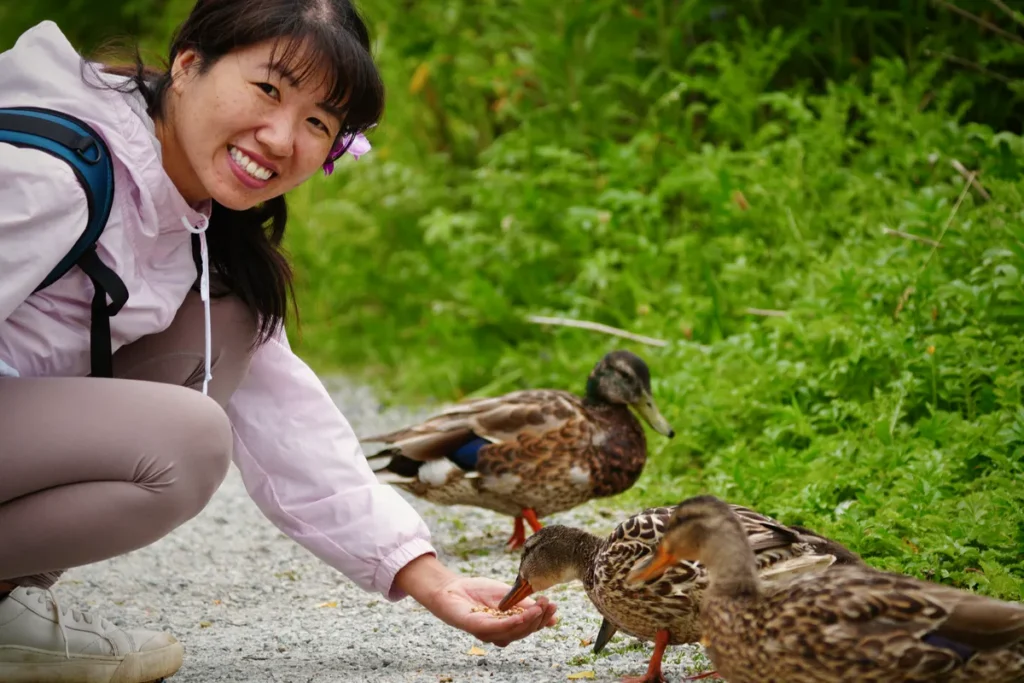
We visited on a bright, sunny July afternoon and wandered the sanctuary and the Westham Island nature trails at an unhurried pace. We fed ducks by hand, watched eagles, and let the Fraser River wetlands work their quiet magic.
In this guide, we’ll walk you through everything from the reservation system (there’s one time-sensitive step), hours and admission, and the best time of year to visit — summer nesting season versus the famous winter snow geese.
We’ll also cover how to get to the Reifel Bird Sanctuary from Vancouver, the birds we saw, and the camera gear we used for wildlife photography. And we’ll share a few of the quiet lessons these wetlands gave us. For us, the day became less about a checklist and more about being present.
If you love nature, also add this whale watching tour from Vancouver to see the amazing orcas on your trip.
What Is the George C. Reifel Migratory Bird Sanctuary?
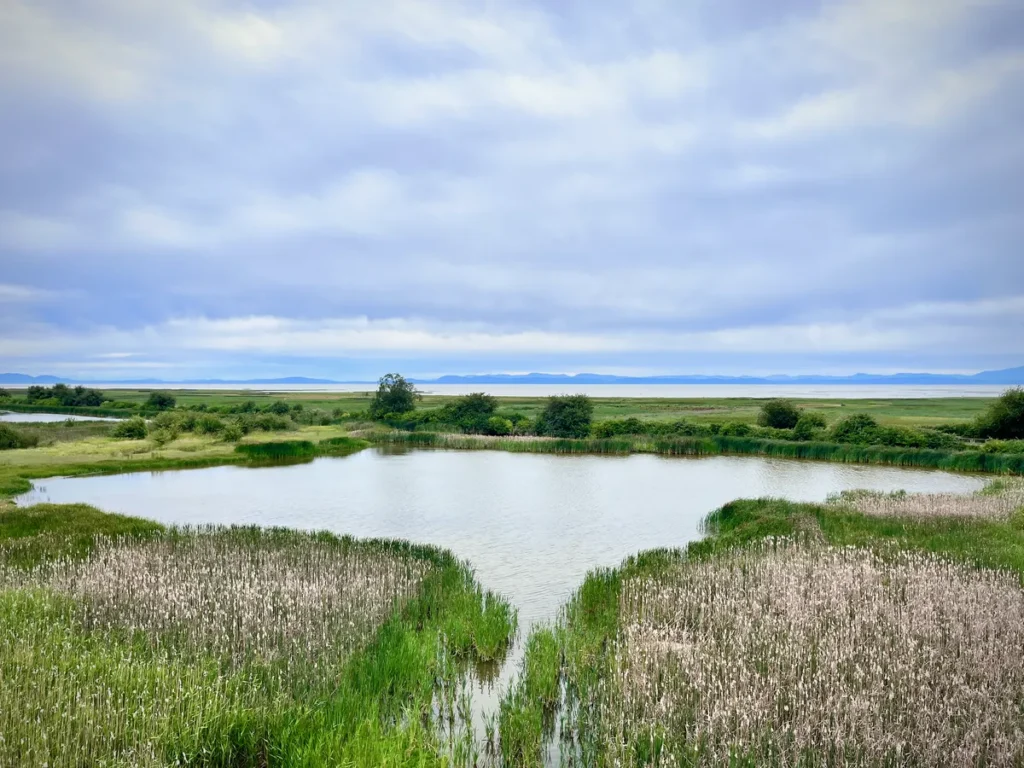

The George C. Reifel Migratory Bird Sanctuary is an 850-acre refuge of wetlands, marshes, and low dykes in the heart of the Fraser River estuary. It sits on Westham Island, just past the small farming community of Ladner in Delta, BC.
The sanctuary is cared for by the British Columbia Waterfowl Society, and it’s a key stop on the Pacific Flyway — the great migratory highway that birds follow along the west coast of the Americas. More than 250 bird species have been recorded here over the years.
What makes it special isn’t just the numbers, though. It’s how close and unhurried everything feels — quiet trails, hand-feeding chickadees, and the sense that you’ve stepped into the rhythm of the natural world for an afternoon.
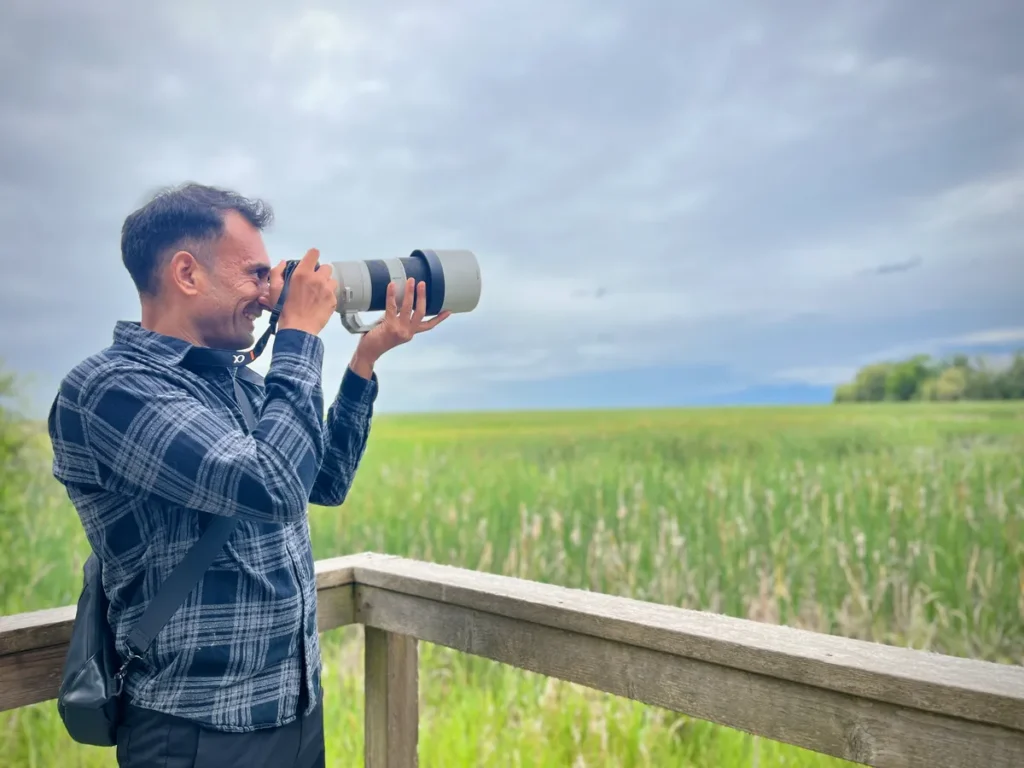
This is our honest review and the wildlife photos are all taken by Deeshen Shah.
If you’re planning a Canada summer road trip, you’ll also love our Banff & Jasper 7 Day Itinerary.
Do You Need a Reservation to Visit Reifel Migratory Bird Sanctuary?

Yes — and this is the one thing we’d tell every first-timer, because it trips people up. You need to make a parking reservation here before you go, and the window is time-sensitive.
The parking reservation is free, then you pay the admission when you arrive.
Reifel Bird Sanctuary Open Hours
The Reifel Bird Sanctuary is open 6 days a week, closed on Mondays, from 9am to 4pm. Hours can change by season.
The Opening Hours are 9 am to 4 pm, though you have to enter the gate in two specific time slots, between 9am-11am, and 1-3pm.
Last entry:
Drop ins: 2:30 pm
Reservations 3 pm
Closed Mondays (except for specific statutory holidays)
All visitors need to be out of the Sanctuary by 4 pm.
Here’s how it worked for us. We booked a free parking reservation through the sanctuary’s website, and you have to reserve before 8 a.m. on the day of your visit — after that, the system closes for the day.
How much does it cost to visit Reifel Bird Sanctuary?
Once you arrive, you pay admission after parking at the gift shop: $10 CAD per person when we visited.
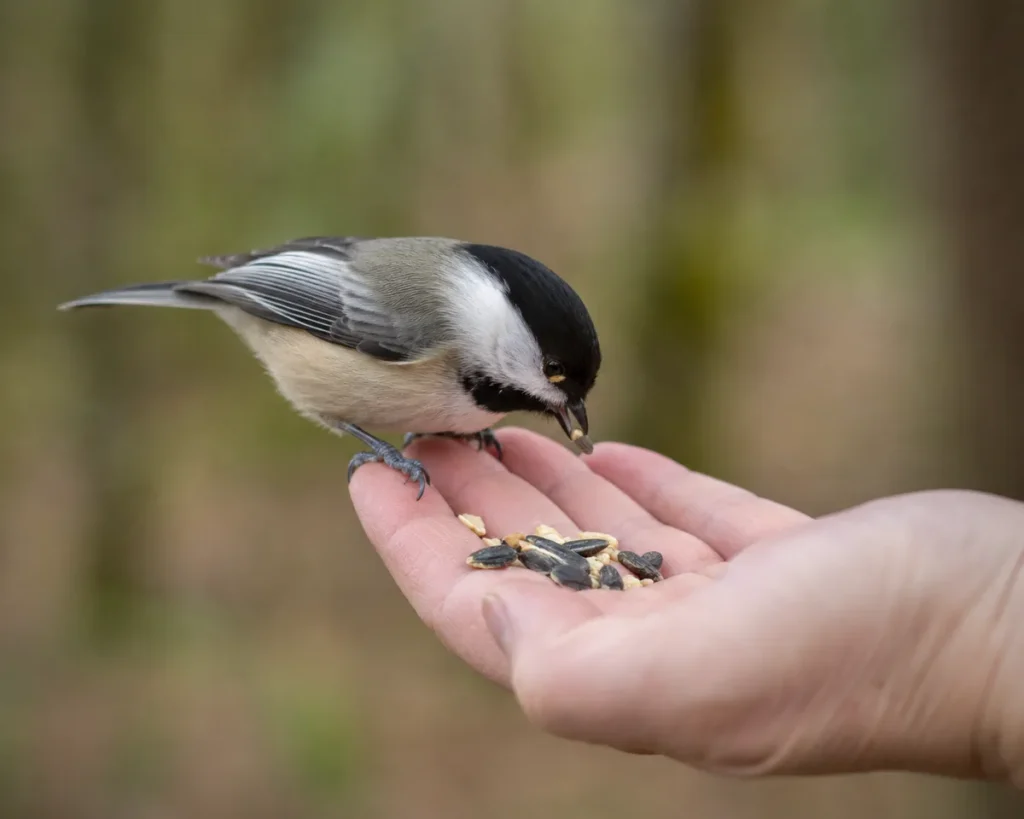
We also highly recommend grabbing a bag of bird food for $2 CAD — it’s what turns a nice walk into hand-feeding chickadees and ducks, and it’s easily the best two dollars you’ll spend all day!
This is paid after you park, and walk up to the gift shop where someone will take the payment and hand you a map. Both cash and credit card are accepted.
Daily Admission prices (at time of our visit)
Adults: $ 10.00
Seniors (65+): $ 8.00
Children (2-14): $ 7.00
You can also buy an annual membership, which is definitely worth it if you are a local or plan to visit year round.
This is also, quietly, a very affordable outing — a whole peaceful afternoon in nature for the price of a coffee and a snack.
If you love this kind of slow, mindful nature time, you’ll also enjoy our Banff & Jasper 7 Day Itinerary Elephant Mountain guide in Taipei and our visit to the sacred Rudraksha Forest in Kauai.
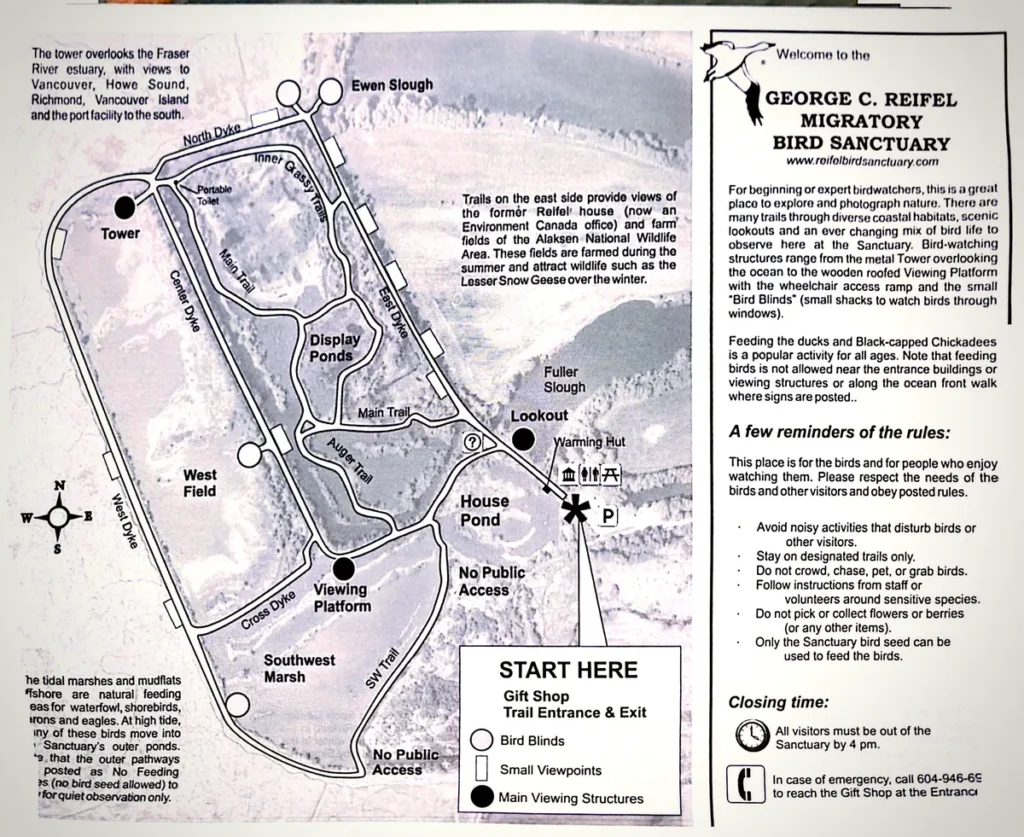
George Reifel Bird Sanctuary Map & Best Time to Visit
Best Time of Year
Honestly, there’s no bad time to come — the Reifel Sanctuary has beautiful birds and wildlife throughout all seasons. We visited in late June, in the heart of summer nesting season, and loved every minute: warm sunshine, peaceful trails, ducklings everywhere, and an incredible variety of birds!
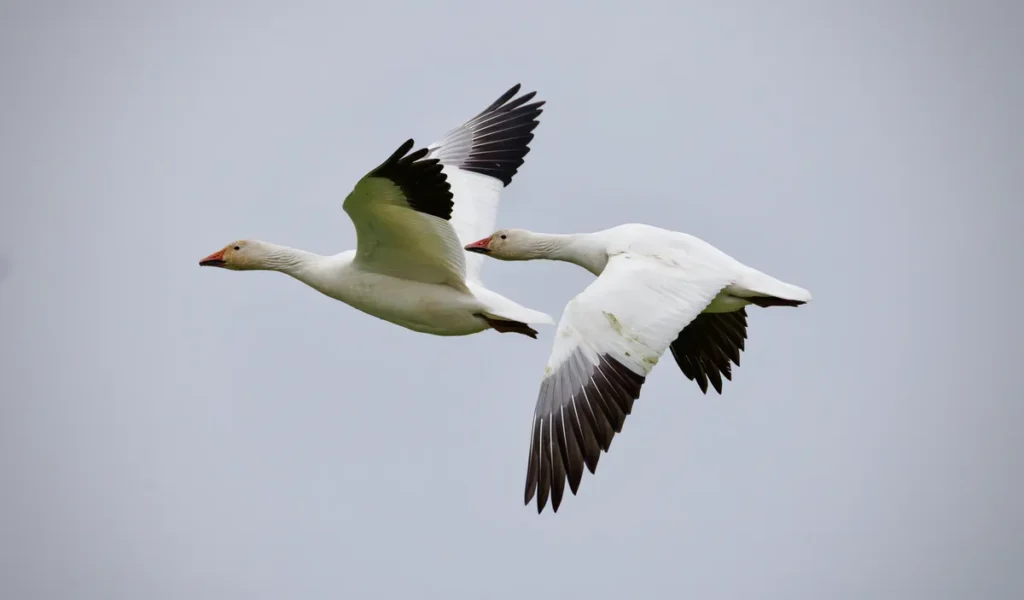
If you’re hoping to see the famous spectacle of migratory birds in the hundreds, winter is your season. From roughly October through December, tens of thousands of snow geese sweep in from the Arctic — including all the way from Wrangel Island, Russia.
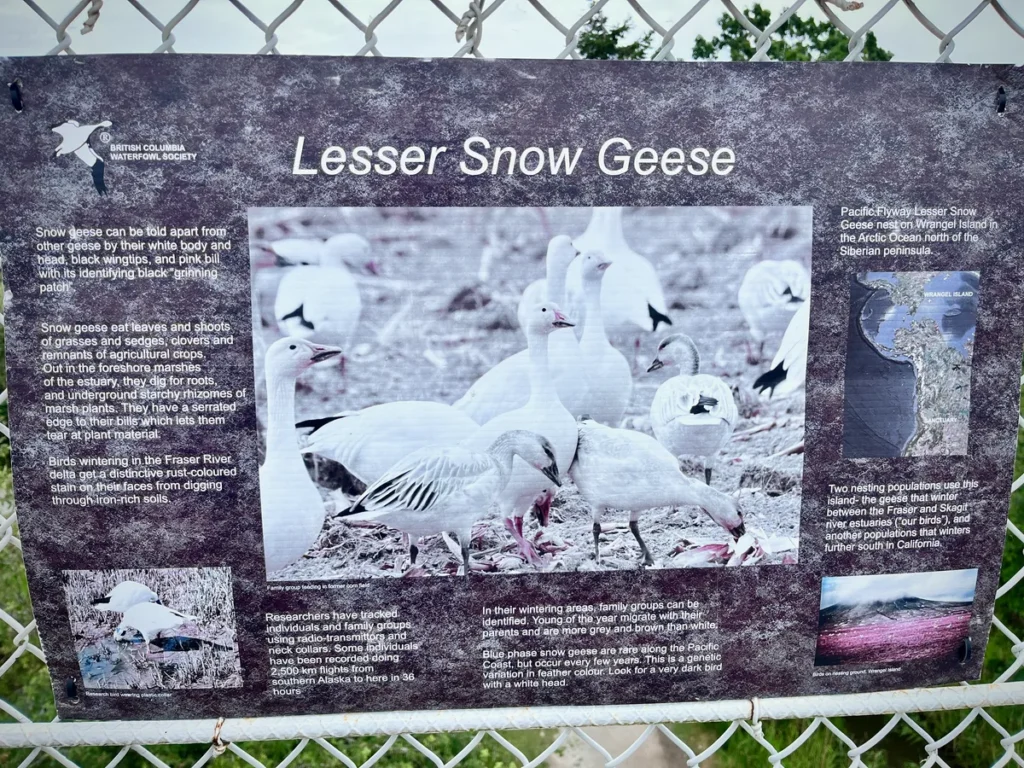
200,000 ducks will use the delta during the winter. The most numerous species seen are the American wigeon, mallard, and northern pintail.
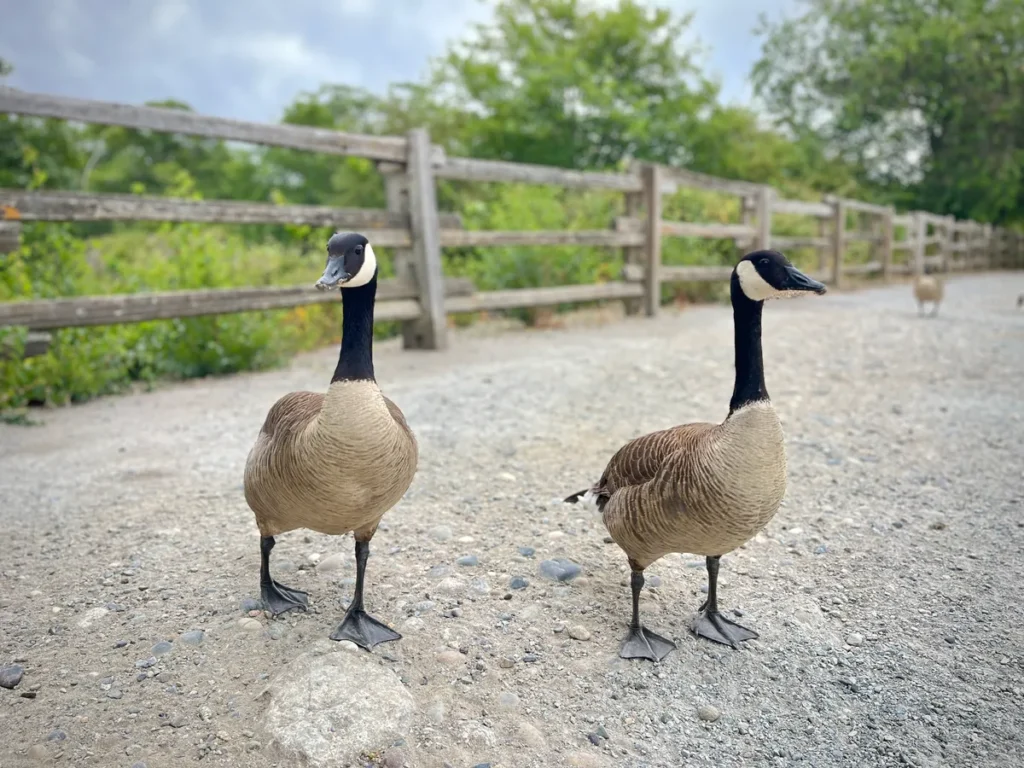
25,000 geese will make use of the sanctuary. Most numerous of these are the snow geese, which will begin arriving from their northern breeding grounds in late September and can reach numbers of up to 20, 000 birds by late October. A resident flock of approximately 600 Canada geese also use the fields to feed.
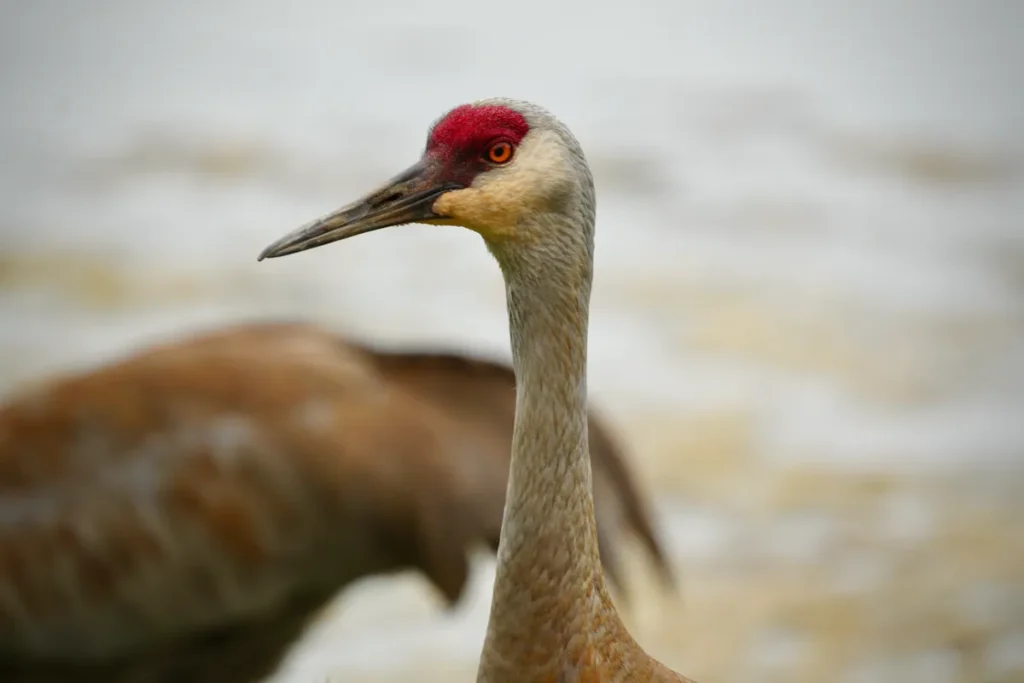
Spring and fall bring waves of migrants along the Pacific Flyway, and the resident sandhill cranes can often be spotted year-round.

We love warm weather so summer was ideal for us, but we’re seriously considering to come back in the winter as well! Our take: come in winter for the snow geese experience, and in summer for warmth, baby birds, and unhurried calm.
As for what time of the day, both morning and afternoon are amazing. I know one birding best practice is to go early in morning, however we came in the afternoon, and the grounds were full of birds!
If you love wildlife, consider adding a whale watching tour from Vancouver to see amazing sea life (along with these birds!), and a day trip excursion to Victoria, one of our favorite places in Canada!
How to Get to Reifel Bird Sanctuary from Vancouver
Getting to the Reifel Bird Sanctuary from Vancouver is easiest with a car — there’s no direct bus, so we recommend picking up a car rental from YVR airport and drove out.
From the city, it was about a 30-minute drive for us; give yourself 30 to 45 minutes depending on where you start and traffic through Delta.
We don’t recommend taking the public transit from Vancouver. since there’s no direct bus. Instead get a Uber if you don’t have a car.
Here’s the exact location on google maps. As you enter the property, there will be a automatic gate followed by a short drive on a dirt path, leading to the parking lot where you’ll find the gift shop. Here is where you tell them you made a parking reservation and pay for your ticket ($10 CAD) and bird food ($2 CAD).
The last stretch winds across Westham Island past open farmland, and it’s genuinely beautiful. We even spotted an eagle nest along the way, which felt like a promising welcome.
One note for visitors coming from the US: the sanctuary is in Canada, so bring your passport and allow time for the border crossing.
Is George C Reifel Bird Sanctuary worth visiting?
In a nutshell, absolutely! We’ll even featured it on our 5 day Vancouver Itinerary coming soon. This hidden gem sitting on the Fraser River near the Vancouver Canada is one of Canada’s best bird photography spots. It’s one of the best lesser-known hidden gems and things to do in Vancouver you could undertake, too!

Walking the Trails: What to Expect
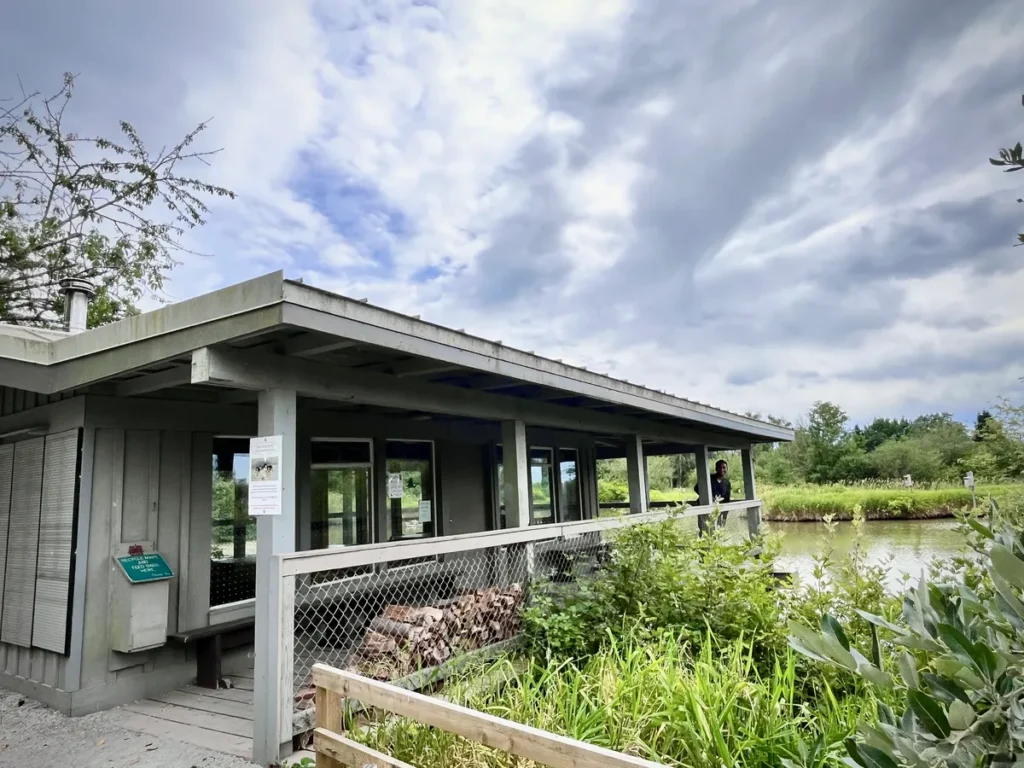
The 850 acre sanctuary has tons of easily accessible walking loop trails around over 10 little lakes, tucked-away viewing blinds, and an observation tower that’s well worth the short climb. You can happily wander and immerse yourself in nature for a couple of hours.
The list of reasons to visit goes on on on: hand-feeding friendly ducks and black-capped chickadees, spotting majestic bald eagles, photographing hundreds of bird species, strolling peaceful wetland trails, watching ducks and geese up close, and experiencing one of Canada’s most important migratory bird habitats along the Pacific Flyway!
Insider tip: Our favorite trail route inside the Sanctuary is to follow the East Dyke around to the North Dyke and up to the tower. Depending on the time of the year, you can spot owls, chickadees, hummingbirds, eagles, ospreys and many other birds from the dykes and towers.
The George Reifel Bird Sanctuary and Westham Island nature trails are flat and easy, which makes this a genuinely family-friendly nature activity in Vancouver and one.
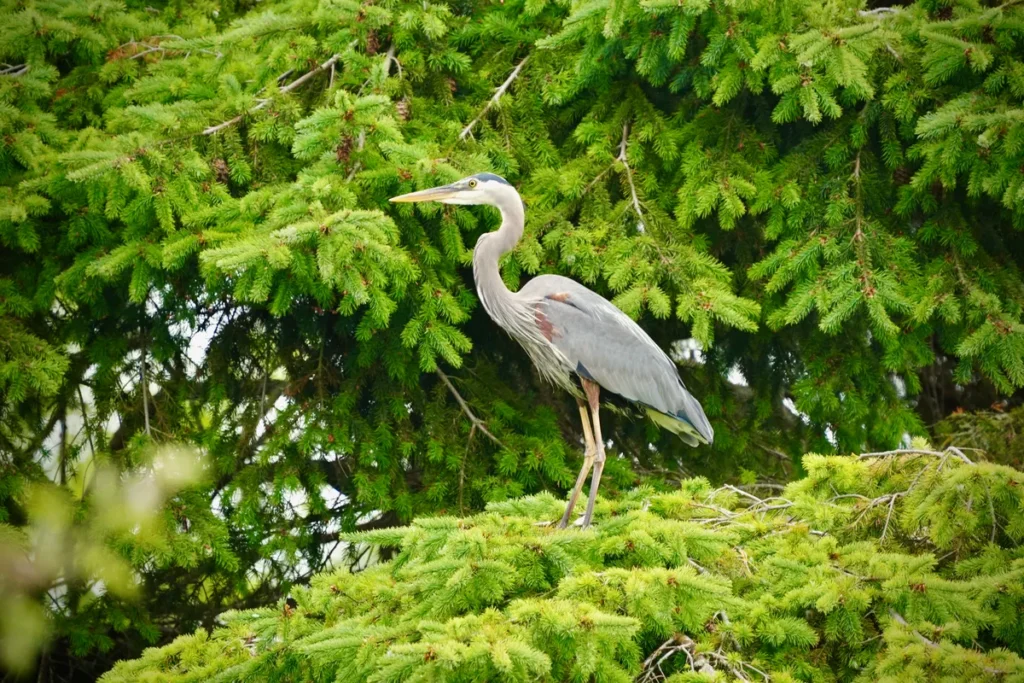
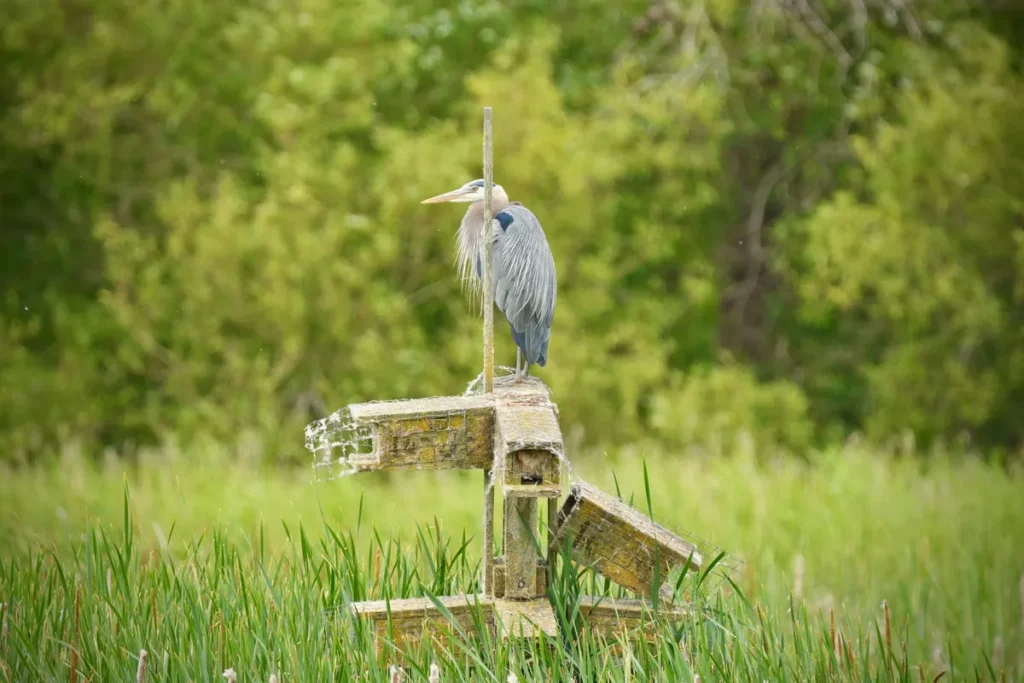
We saw so many great blue herons around the sanctuary, and they were definitely great meditation teachers. We loved silently observing them move ever so slowing and gracefully through the waters, and how huge their wingspan was when they flied (easily over 5 feet wide)!
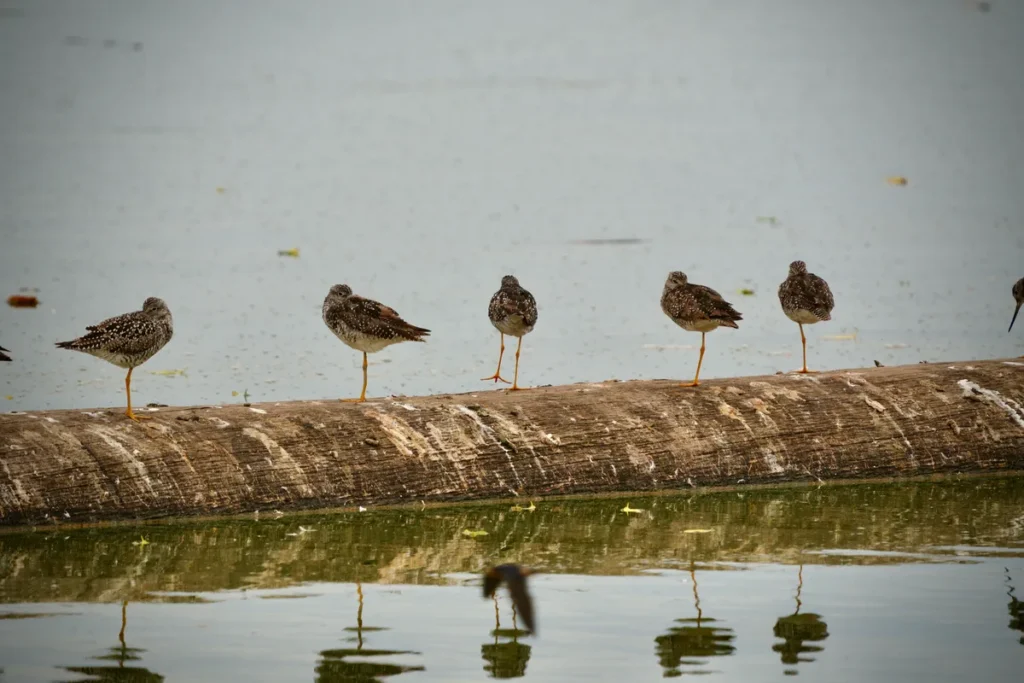
A real treat for us was spotting some pacific golden plovers (we call them Kolea back home in Hawaii) as they migrate from Hawaii to Alaska and the PNW half of the year. They were all snugged up on a log, twenty in a row!
Follow the East Dyke to the North Dyke and climb the tower — flat, easy, and full of surprises. Go slowly and quietly. The less you rush, the more the sanctuary seems to reveal.
Birds You’ll See (Our Summer Bird List)
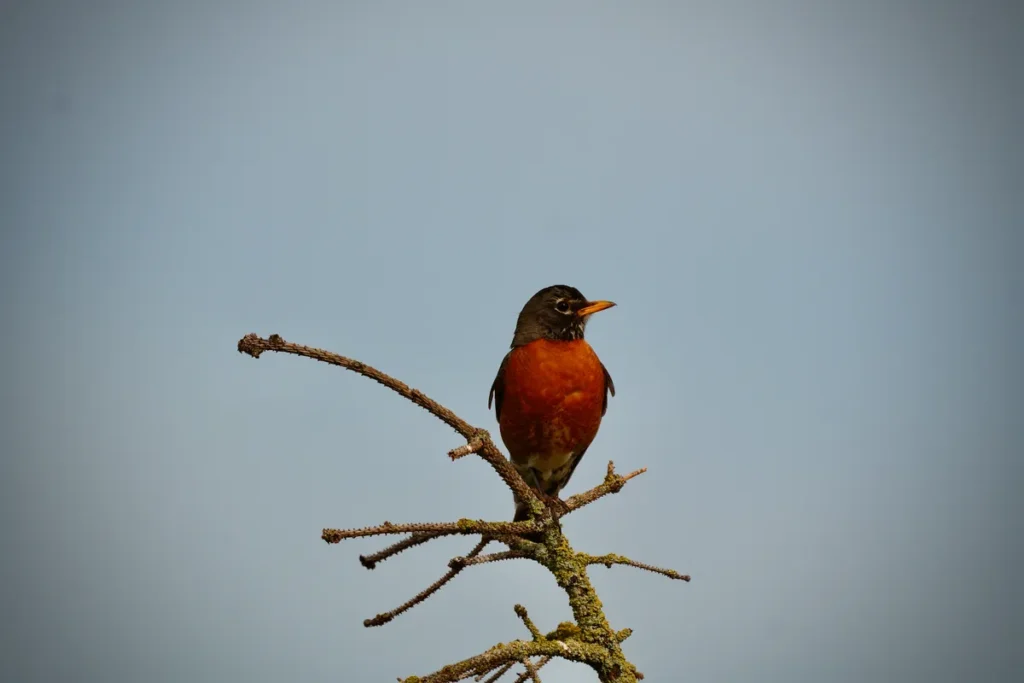
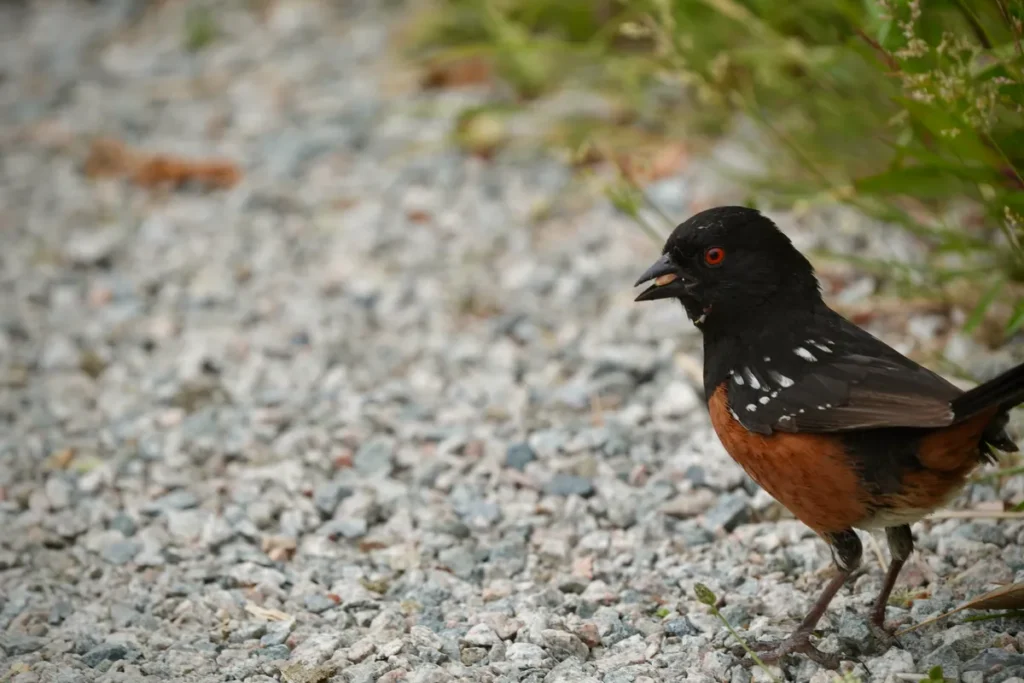
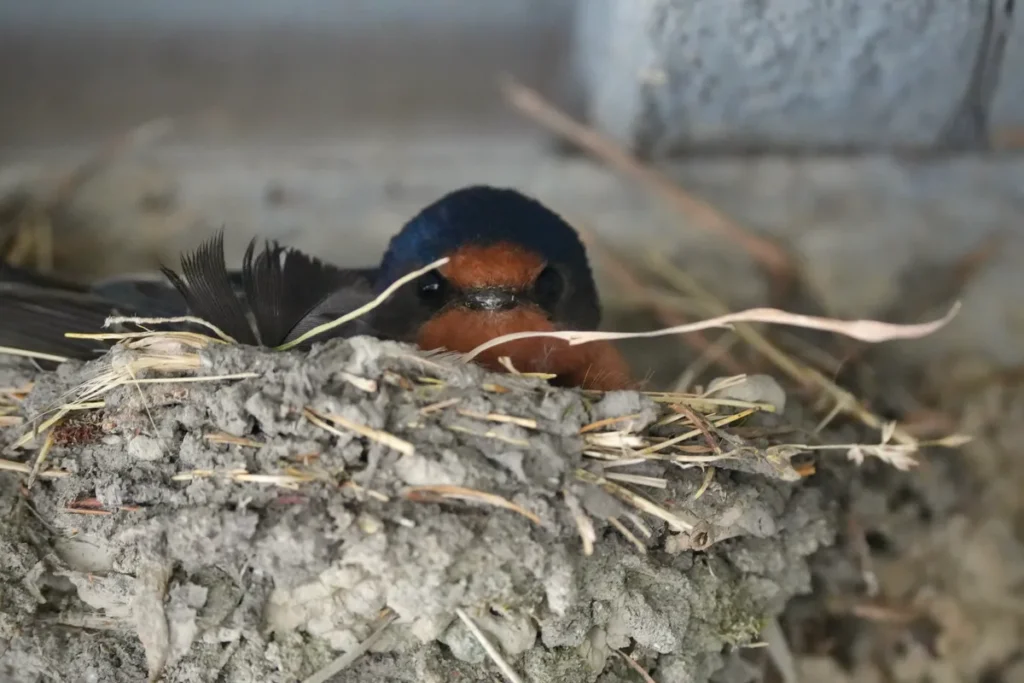
Part of the joy here is the sheer range — from the tiniest hummingbird to soaring eagles, all in a single afternoon. Here’s our Reifel Sanctuary bird checklist from a summer visit:
- Bald Eagles
- Ospreys
- Great Blue Herons
- Canada Geese
- Mallards and Gadwalls
- Red-winged Blackbirds
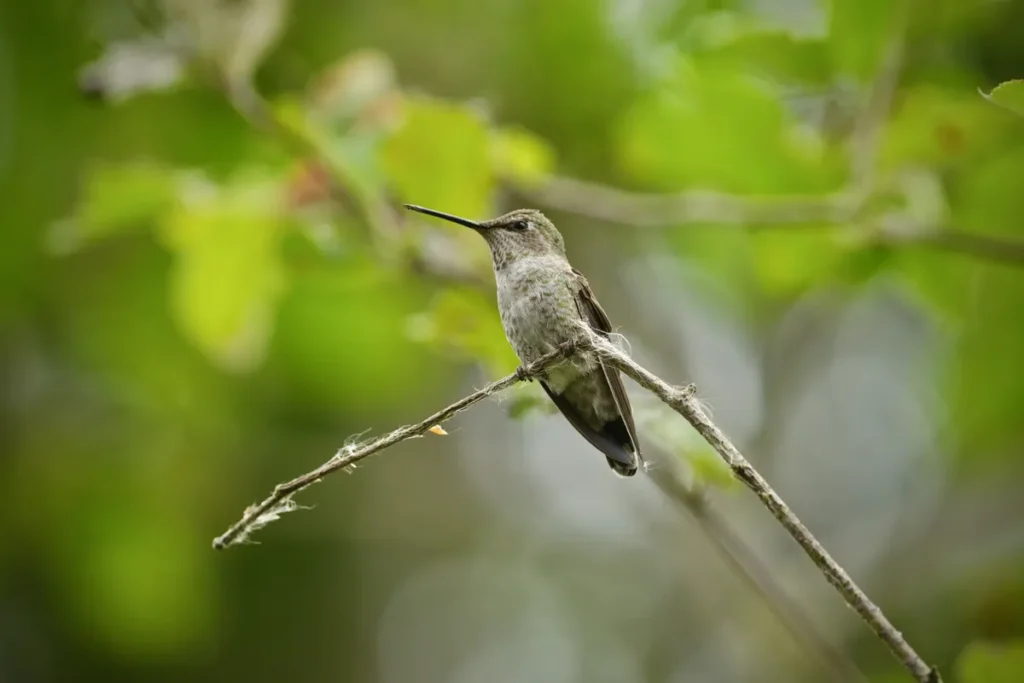
- Rufous Hummingbirds
- Tree Swallows
- Barn Swallows
- Black-capped Chickadees
- Marsh Wrens
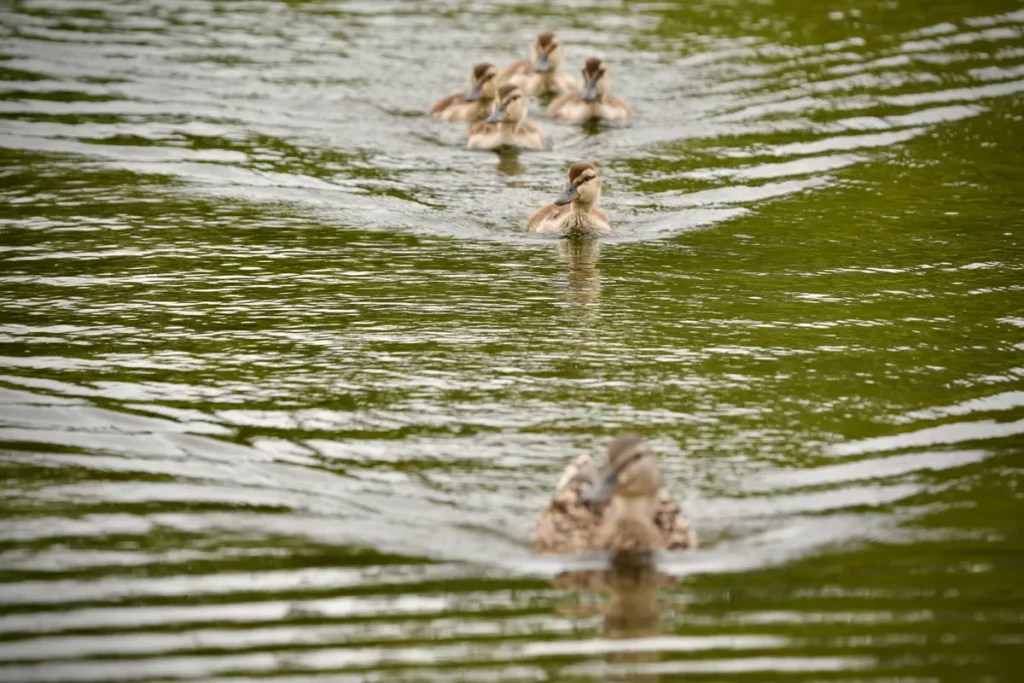
We also met a little raft of mallard ducklings shadowing a very protective momma duck. If you visit in winter, you’ll likely add snow geese and the resident sandhill cranes to your own list — over 250 species have been recorded here.
What Visiting George Reifel Migratory Bird Sanctuary Taught Us
We’re so grateful that places like this exist and are protected for nature, migratory birds, and wildlife. After visiting several birding and migratory bird sanctuaries around Vancouver, this quickly became our favorite.
Spending time here also gave us a deeper appreciation for how important these protected wetlands are. They provide a safe haven for thousands of birds along the Pacific Flyway, support countless other species, and give future generations the chance to experience the beauty of nature up close.
For us, visiting Reifel was never really about a bird checklist. It was about presence — the way nature meets you the moment you finally slow down.
A curious rufous hummingbird hovered close, seemingly as fascinated by us as we were by it. It was a small, shimmering reminder that wonder runs in both directions.
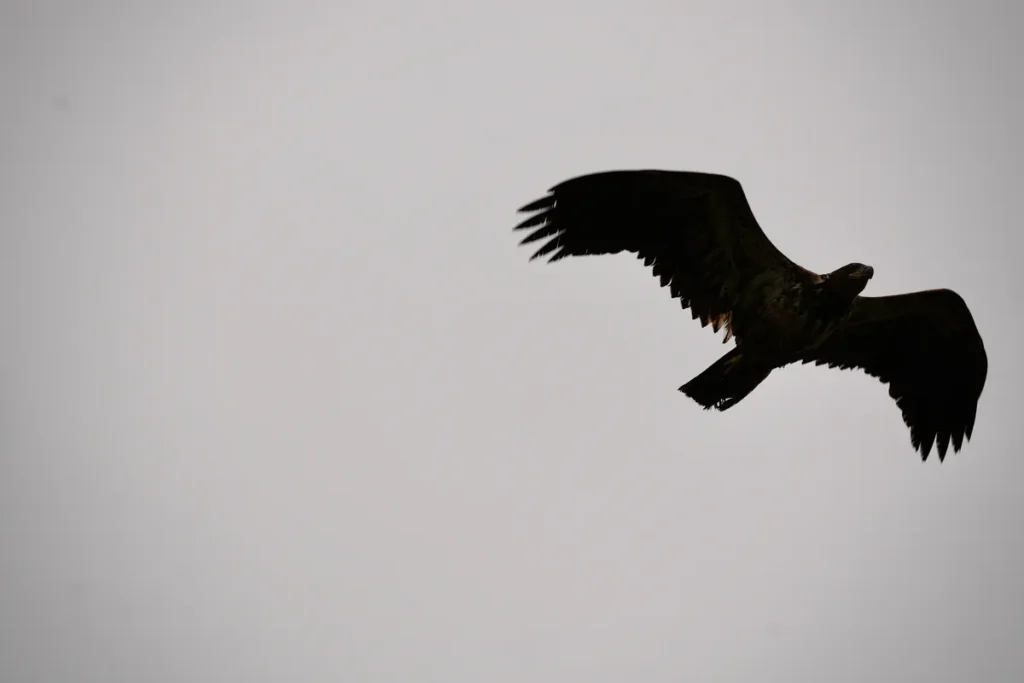
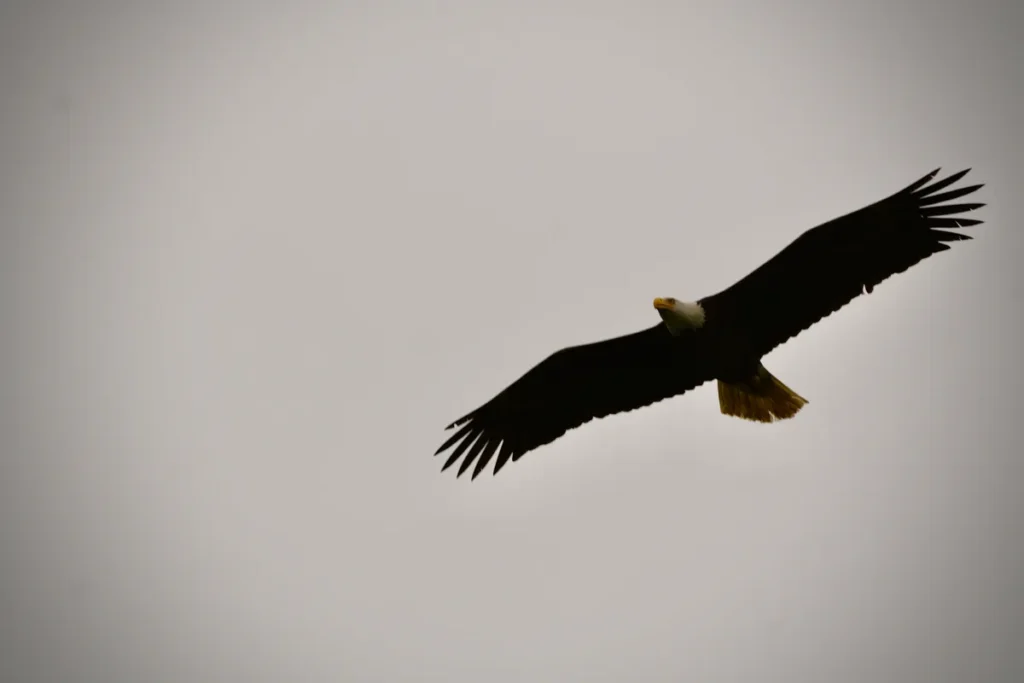
Deeshen had come hoping to see the eagles, and patience was rewarded. One landed atop a tree, met his gaze, and let out a joyful call — a gentle nudge to stay connected to a higher purpose and not get lost in the small distractions.
Jade found her joy lower to the ground, feeding and caring for the baby ducks. We watched the momma duck softly shoo the others aside so her ducklings could eat in peace — pure devotion, playing out right in front of us.
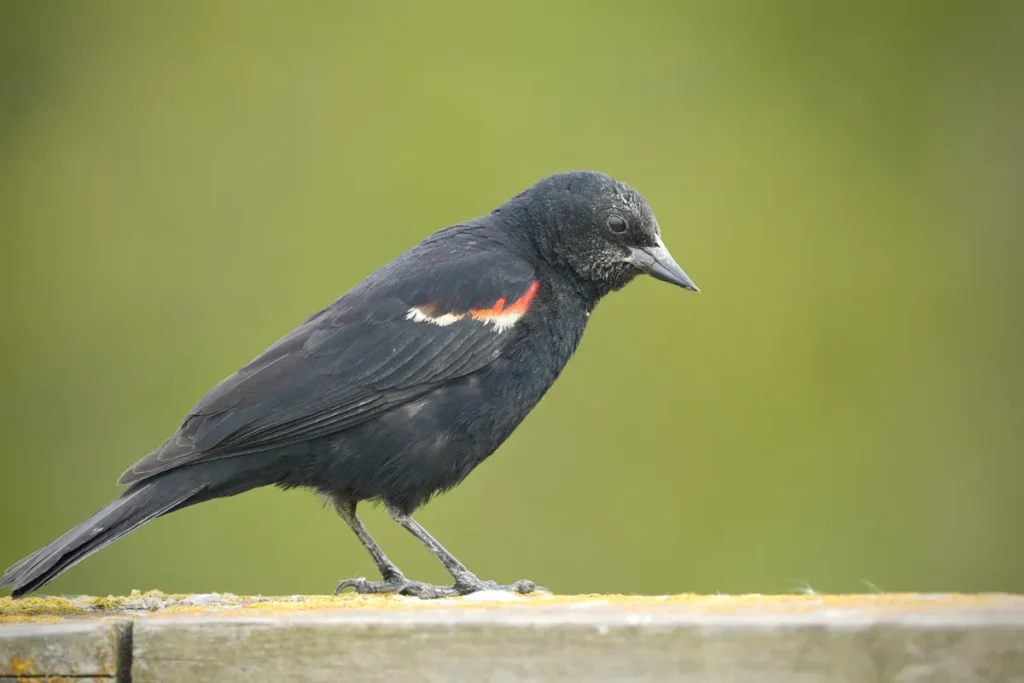
And then there were the red-winged blackbirds. One seemed to call its whole community over to feed from our hands, a quiet intelligence and a beautiful reminder of connection in nature. (We love reading meaning into wildlife encounters — it’s the same thread we followed in our reflection on Hawaiian honu symbolism.)
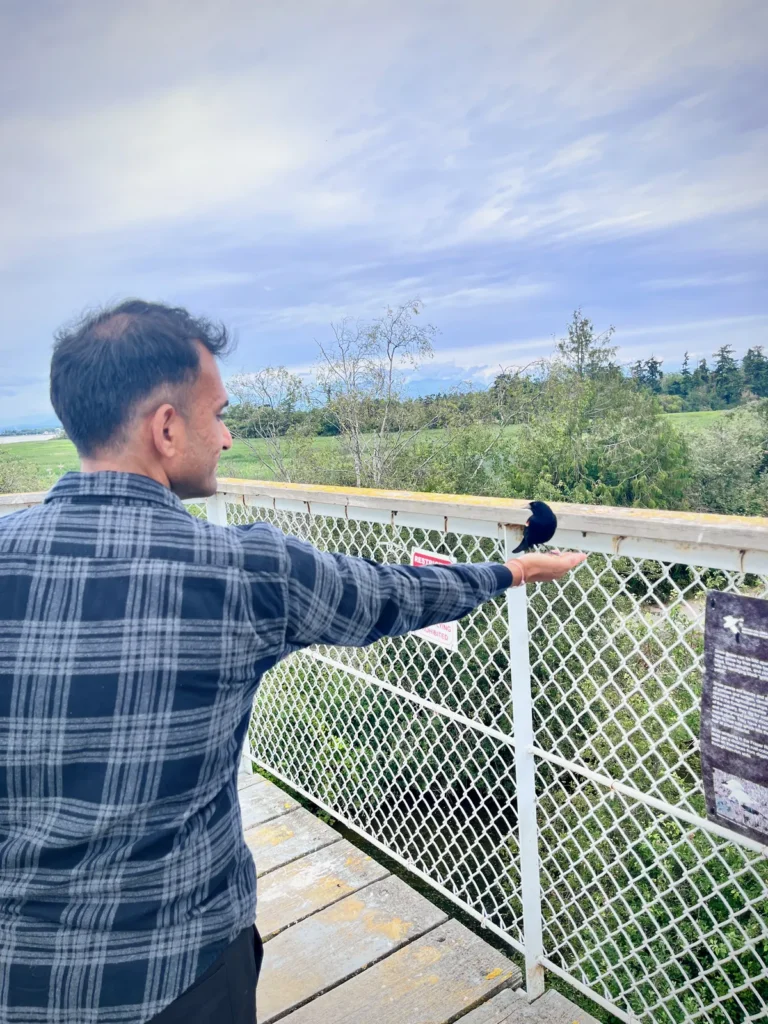
A curious rufous hummingbird hovered close, seemingly as fascinated by us as we were by it. It was a small, shimmering reminder that wonder runs in both directions.
Watch our morning at Reifel — hand-feeding chickadees, eagles, and the Fraser River wetlands.
Camera & Gear We Used for Birding & Wildlife Photography
A telephoto zoom is the difference-maker for reaching distant eagles and herons.
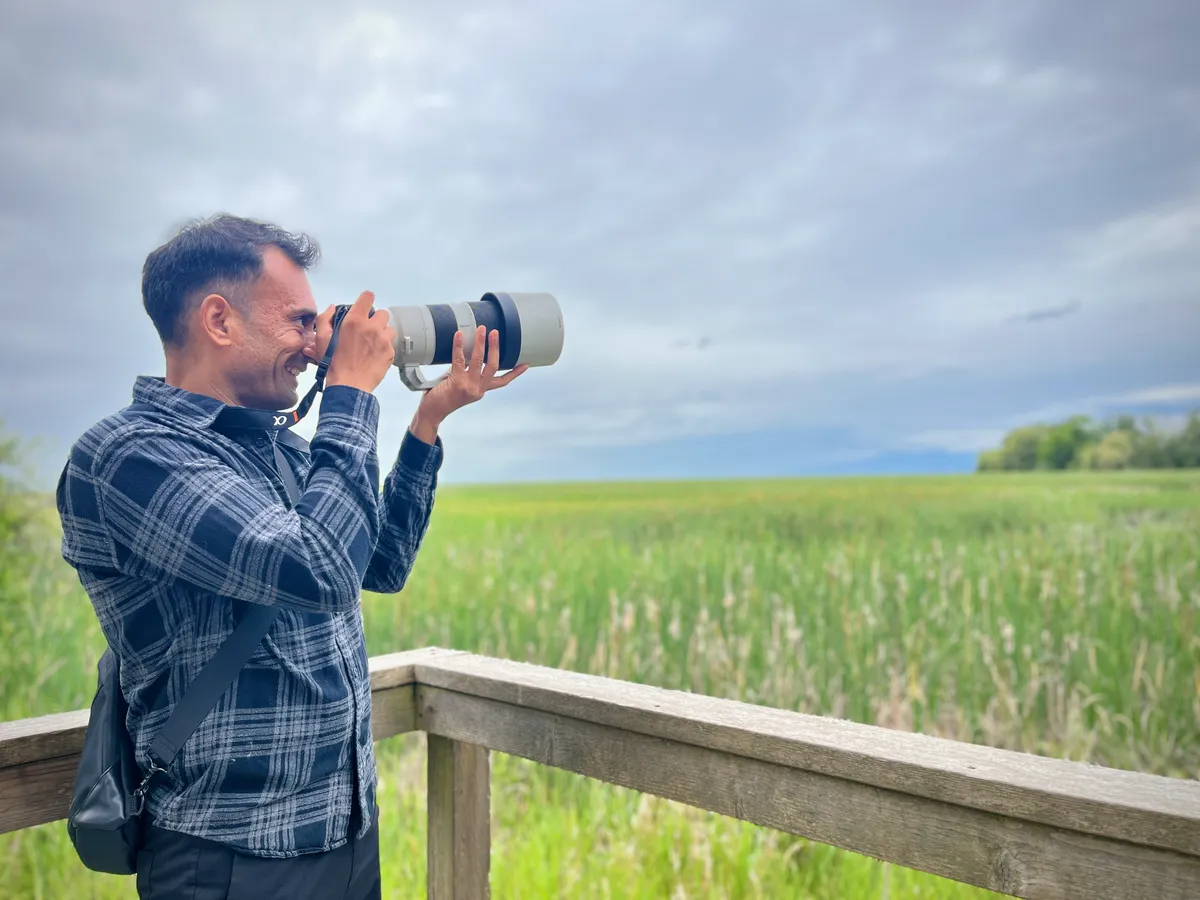
For the photographers and birders wondering what’s in our bag, here’s the kit we used and genuinely recommend:
Camera & gear we used (and highly recommend):
- Camera: Sony a6700 Mirrorless Camera with 18-135mm Lens (love this kit)z
- Lens: Sony FE 200-600mm Super Telephoto Zoom Lens (perfect for birding)
- Camera Backpack: The best travel backpack that fits Sony 200-600mm and a body, and can be taken on flights
- Backpack Rain Cover: Joy Walker Waterproof Backpack Rain Cover (Saved us many times while birding)
- Best Binoculars: Vortex Triumph HD 12×50 Binoculars (best in class)
- Starter Binoculars: HD 12×30 Starter Binoculars we use this as well and love it
- Sitting Mat: Wolfwise sitting blanket
Essential Tips for Visiting Reifel Bird Sanctuary
A few things we’d pass on to make your visit smoother and more magical:
- Reserve early: Book your free parking before 8 a.m. on the day you plan to visit, or the system closes for the day.
- Buy the bird food: It’s $2 CAD, and it’s the secret to hand-feeding chickadees right from your palm. You cannot bring outside bird seeds.
- Go slow and quiet. Patience is rewarded — especially if you’re hoping to watch the eagles. Birds are sensitive to loud noise and large movements, moving slowly and gracefully is important. Remember you’re in their home.
- Take our favorite route. East Dyke to North Dyke, up to the observation tower.
- Bring the kids and elders. It’s a wonderful family-friendly nature activity in Delta, and little ones adore the hand-feeding. The grounds are very flat and there’s no hills so it’s very accessible for elderly as well. You have to be able to walk a bit of distance though.
- Pack binoculars and a camera. This is one of the best Vancouver wildlife photography spots around.
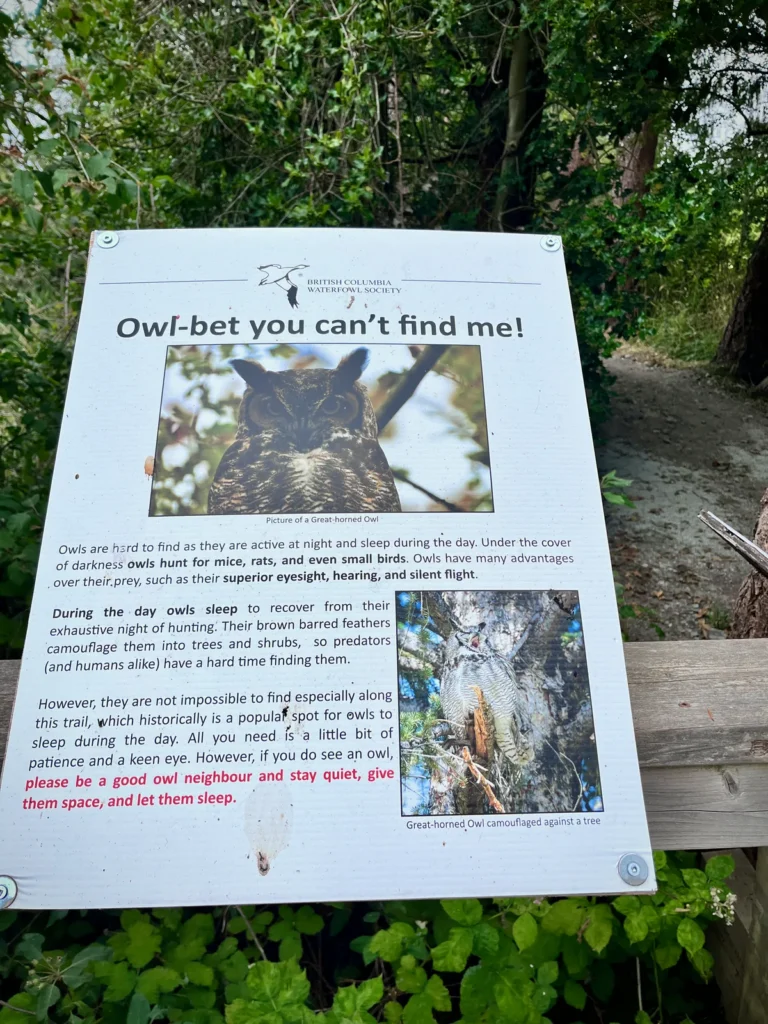
Reifel Bird Sanctuary Bird List
More than 250 species have been recorded here. In summer we saw bald eagles, great blue herons, sandhill cranes, red-winged blackbirds, chickadees, and hummingbirds; winter adds snow geese and more ducks!
The George C. Reifel Migratory Bird Sanctuary in Delta, British Columbia, is one of Canada’s premier birdwatching sites, with nearly 250 species recorded. The bird population changes dramatically depending on the time of year.
The breakdown of the main birds you can expect to see at the sanctuary by season includes:
🍁 Fall (September – November)
Fall brings spectacular numbers of migrating waterfowl and shorebirds, making it one of the most popular times to visit.
- Lesser Snow Geese: The sanctuary’s most famous fall guests. Tens of thousands arrive from their Russian breeding grounds starting in mid-to-late October, peaking in November.
- Migrant Shorebirds: Large numbers utilize the West Ponds and mudflats. Look for Long-billed Dowitchers, Greater and Lesser Yellowlegs, Western Sandpipers, Least Sandpipers, and Semipalmated Sandpipers.
- Waterfowl Arrival: Flocks of ducks begin packing the ponds, including Northern Pintails, American Wigeons, Northern Shovelers, and Green-winged Teals.
- Passerines & Songbirds: Early fall (September) sees the tail end of southward migrating warblers and songbirds, as well as the arrival of Cedar Waxwings feeding on ripening berries.
❄️ Winter (December – February)
Winter is quieter but incredibly rich, hosting massive wintering populations of waterfowl and a high concentration of raptors and owls.
- Ducks & Swans: Over 200,000 ducks winter in the Fraser River Delta. You will easily spot huge numbers of American and Eurasian Wigeons, Mallards, Northern Pintails, Gadwalls, Canvasbacks, and Buffleheads. Trumpeter Swans are also common winter residents.
- Owls: Winter is the prime time to look for roosting or hunting owls. Species include the Northern Saw-whet Owl, Barn Owl, Long-eared Owl, Short-eared Owl, and Great Horned Owl.
- Raptors: Drawn by wintering rodents and shorebirds, predators like Northern Harriers, Bald Eagles, Red-tailed Hawks, Rough-legged Hawks, Merlins, and Peregrine Falcons are highly active.
- Wintering Passerines & Foragers: Black-capped Chickadees (famously friendly here), Varied Thrushes, Fox Sparrows, and Golden-crowned Sparrows. Black-crowned Night-Herons also tend to roost heavily in the vegetation during these months.
🌸 Spring (March – May)
Spring is defined by nesting behavior, the departure of winter guests, and a massive wave of northbound songbirds and shorebirds.
- Spring Shorebird Migration: Hundreds of thousands of shorebirds pass through on their way to Arctic breeding grounds. Dunlins, Black-bellied Plovers, Killdeer, Dowitchers, and Western Sandpipers frequent the marsh edges.
- Nesting Waterfowl & Cranes: Local Mallards and Canada Geese begin nesting along the trails. The sanctuary’s resident Sandhill Cranes begin establishing territories and building nests by April.
- Neotropical Migrants (Songbirds): May brings a burst of color and song as warblers (Yellow Warbler, Common Yellowthroat, Wilson’s Warbler, Orange-crowned Warbler), swallows (Tree, Barn, and Cliff Swallows), and flycatchers return.
- Hummingbirds: Rufous and Anna’s Hummingbirds become exceptionally active around the sanctuary’s feeders, especially as the young fledge in May.
☀️ Summer (June – August)
Summer is the quietest season for overall bird numbers, but it offers an intimate look at resident birds raising their young. We came in the summer and absolutely loved it!
- Baby Birds (Mid-May through June): This is the peak window to see fluffy broods of Mallard ducklings, Canada Goose goslings, and eventually juvenile Sandhill Cranes wandering the paths.
- Breeding Songbirds: Wood Ducks, Marsh Wrens, Cedar Waxwings, Spotted Towhees, and Purple Martins are highly visible and vocal while maintaining their nesting territories.
- Early Southbound Migrants (August): By mid-to-late August, the fall migration cycle subtly restarts. Northern-breeding shorebirds (like the Black-bellied Plover molting out of its breeding plumage) and post-breeding songbirds begin dropping back into the sanctuary ponds to rest.
🦉 Year-Round Residents
Some species can reliably be spotted during almost any month of the year at Reifel:
- Great Blue Herons (frequently seen hunting in the ditches and fields)
- Sandhill Cranes
- Bald Eagles & Northern Harriers
- Black-capped Chickadees, Bushtits, and Spotted Towhees
- Mallards, Canada Geese, and Wood Ducks
George C. Reifel Migratory Bird Sanctuary FAQs
Do you need a reservation for Reifel Bird Sanctuary?
Yes. You book a free parking reservation on the sanctuary’s website before 8 a.m. on the day of your visit, then pay admission at the gate. We recommend booking in advance, it’s free to book the parking reservation and if you don’t end up going, it’s okay.
Reifel Bird Sanctuary – When is it open?
The Opening Hours are 9 am to 4 pm, though you have to enter the gate in two specific time slots, between 9am-11am, and 1-3pm.
Last entry:
Drop ins: 2:30 pm
Reservations 3 pm
Closed Mondays (except for specific statutory holidays)
All visitors need to be out of the Sanctuary by 4 pm.
What is the best time to visit Reifel Bird Sanctuary?
Every season is lovely. Winter (October to December) brings tens of thousands of snow geese, while summer offers warm, peaceful trails and nesting birds. We visited in July and loved it.
Can you feed the birds at Reifel Bird Sanctuary?
Yes. You can buy bird seed at the entrance for $2 CAD and hand-feed the chickadees and ducks along the trails.
How do you get to Reifel Bird Sanctuary from Vancouver?
It’s about a 30 to 45 minute drive, and there’s no direct bus, so a car rental from YVR airport or Uber is your best option. The sanctuary is on Westham Island in Delta, BC.
Final Thoughts & How can you support the Bird Sanctuary
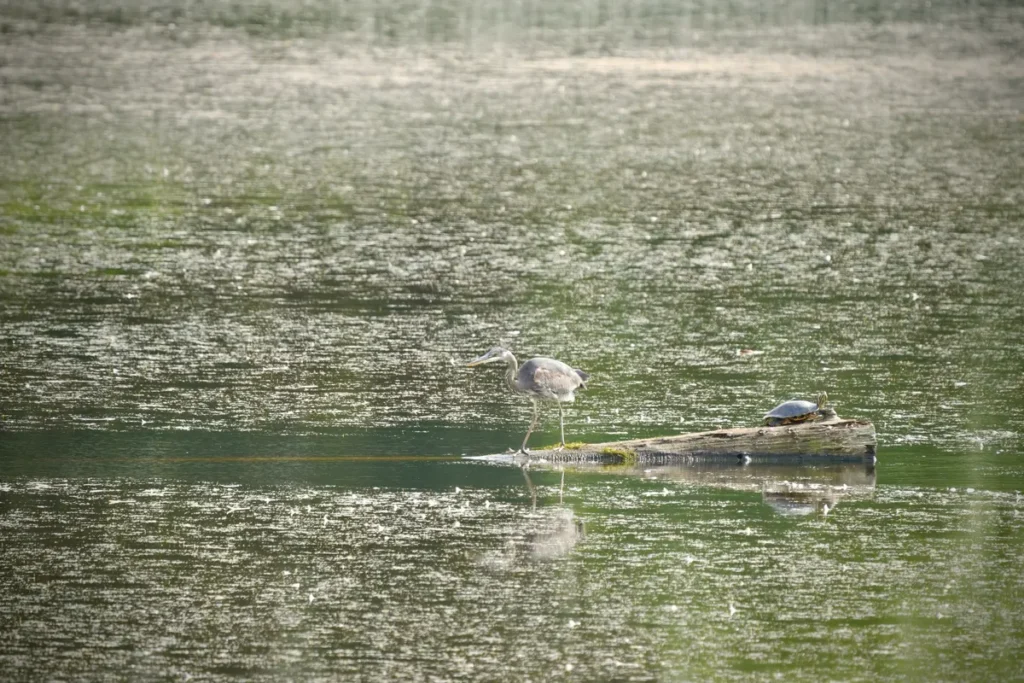
The George C. Reifel Migratory Bird Sanctuary was such a wonderful place, and we can’t wait to return again to see if in all its seasons!
The best way to honor it is to visit with a sense of reverence, gratitude, and mindfulness — and to carry that same love for nature into your everyday life, in your own backyard.
Take your time, walk gently, and allow the birds and wetlands to remain wild and undisturbed.
If you’d like to support their work, consider becoming a member of the British Columbia Waterfowl Society or making a donation to help protect this incredible habitat for generations to come.
A special thank you to the family, staff, and volunteers who dedicate their time and hearts to protecting this sanctuary and creating a place where both wildlife and people can reconnect with nature.
Whether you come for the winter snow geese or the gentle hum of summer nesting season, you’ll find something worth slowing down for. Bring your binoculars, and let nature show you the miracle of mother nature!
Have you visited this bird sanctuary recently? If yes, comment your experience and learnings below so we can all learn from it. 🙂
Read More on Canada and Mindful Travel:
- Hawaiian Honu Symbolism — finding meaning in wildlife encounters.
- Elephant Mountain, Taipei — another peaceful nature walk.
- The Sacred Rudraksha Forest in Kauai — slowing down in sacred nature.
- Banff & Jasper 7 Day Itinerary